
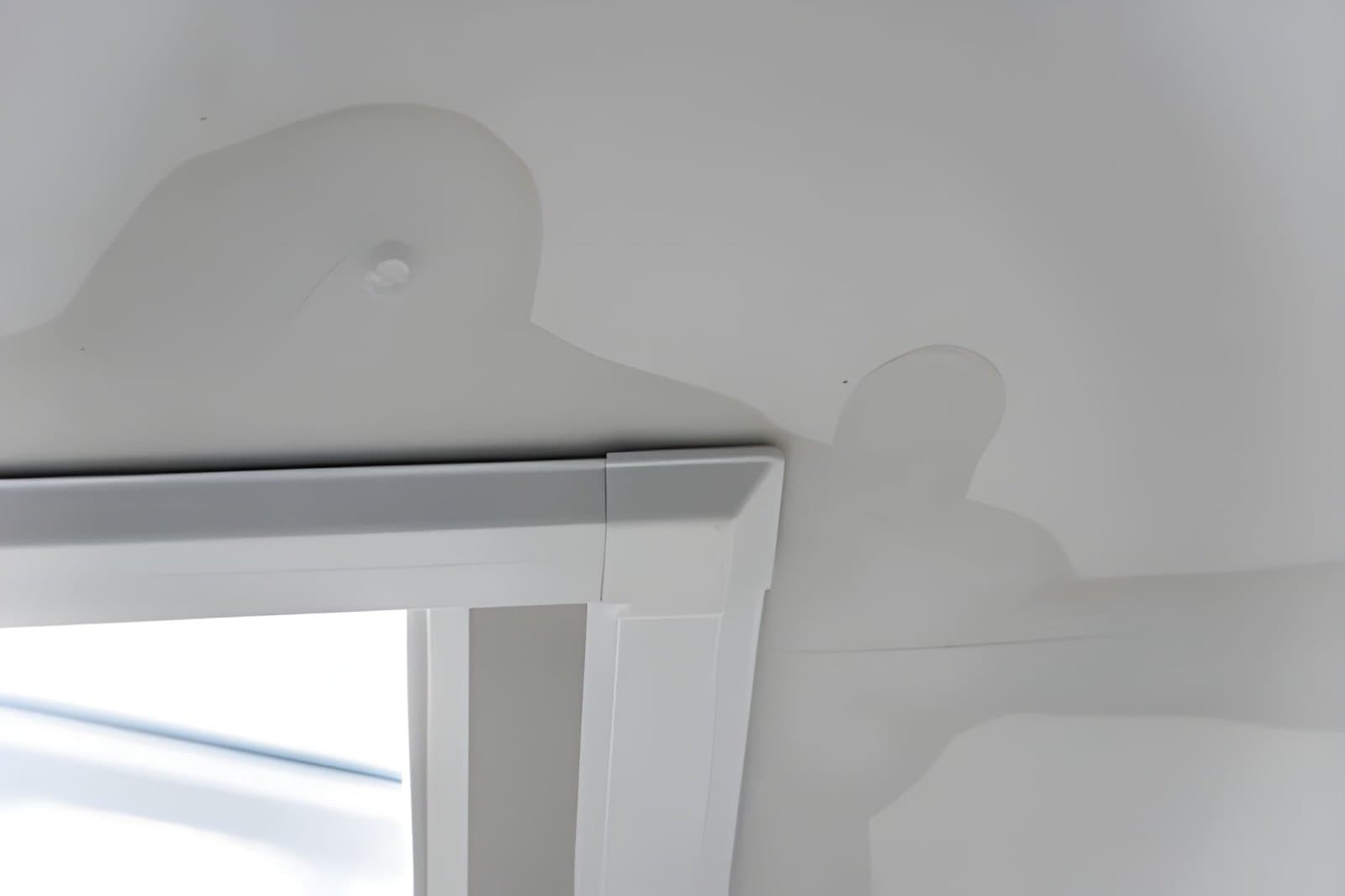
Arizona homes do not see much rain, so roof leaks often go unnoticed. Then a single monsoon storm finds every weak spot at once. Water slips past the roof and spreads through your Mesa home silently. By the time you see a stain, the damage is already growing. Here is what causes roof leaks and how to handle the cleanup.
Key Takeaways
- Roof leaks often stay hidden until water stains or mold appear inside.
- Acting within 24 to 48 hours prevents most mold growth after a leak.
- Professional drying reaches moisture trapped in ceilings, insulation, and walls.
What Causes Roof Leaks in Mesa Homes
Several common problems let water through a Mesa roof. Cracked or missing tiles expose the underlayment to rain. Worn flashing around vents and chimneys is a frequent culprit. Monsoon winds can lift shingles and drive rain sideways. Storm-driven leaks may also call for storm damage restoration on the roof itself.
How Roof Leaks Damage Your Home
A small leak rarely stays small for long. Water travels along rafters and pools above the ceiling. It soaks insulation, which loses its effectiveness when wet. Drywall stains, sags, and can eventually collapse. Per the EPA, mold can grow within 24 to 48 hours of moisture.
Signs of a Hidden Roof Leak
Watch for these clues before the damage spreads:
- Brown or yellow stains on ceilings or walls.
- A musty smell in upper rooms or the attic.
- Bubbling paint or sagging drywall overhead.
- Damp insulation or dripping during storms.
What to Do After You Spot a Leak
Quick action limits the damage and the cost. Move belongings and place a bucket under active drips. Photograph everything for your insurance records. Most homeowners policies cover sudden leak damage, per the Insurance Information Institute. Then call a restoration pro to dry the area properly.
Why Professional Cleanup Matters
Surface drying is not enough after a roof leak. Moisture hides in ceilings, wall cavities, and insulation. Prompt water damage restoration in Mesa stops a small leak from becoming a major repair. Pros use meters and air movers to dry every layer. That thorough drying is what prevents mold and rot.
First Steps the Moment You See a Leak
Your first few minutes shape the damage. Quick, simple moves protect your home and belongings. Do these before help arrives.
Contain and Protect
Place a bucket or bin under any active drip. Move furniture and valuables out of the path. Lay towels to keep water from spreading across floors.
Relieve a Bulging Ceiling
A sagging ceiling means water is pooling above. Poke a small hole over a bucket to drain it safely. This relieves the weight before the ceiling fails.
Will Insurance Cover a Roof Leak?
Coverage turns on what caused the leak. Insurers separate sudden events from slow wear. Knowing the difference helps your claim.
When It Is Covered
A sudden, storm-driven leak is usually covered. Monsoon wind damage in Mesa often qualifies. Resulting interior damage may be included too.
When It Is Denied
Leaks from age, wear, or missed maintenance are usually excluded. A long-ignored leak rarely qualifies. Photograph the damage before any cleanup.
What a Roof Leak Costs to Fix
Cost depends on the leak and the damage below. A minor fix is far cheaper than a delayed one. Interior repairs add to the total.
Roof Versus Interior Repair
A small flashing or shingle fix is the cheapest case. Replacing soaked drywall and insulation costs more. Hidden mold raises the scope further.
Why Speed Saves Money
A contained leak limits the repair to the roof. A spreading leak ruins ceilings, walls, and insulation. Fast drying keeps the bill smaller.
What Happens If You Ignore a Roof Leak
A roof leak never improves on its own. Left alone, the damage compounds quietly. The risks grow week by week.
Mold and Rot
Trapped moisture feeds mold within a day or two. It also rots rafters and roof decking. Even a one-time leak can start mold if it stays wet.
Bigger Failures
A soaked ceiling can sag and finally collapse. Water near wiring becomes an electrical hazard. What was a small repair becomes a major one.
How quickly does a roof leak cause mold?
Mold can begin within 24 to 48 hours of water exposure. Warm Mesa attics speed that timeline up. Fast drying is the best defense.
Does homeowners insurance cover roof leak damage?
Sudden, accidental leak damage is often covered. Damage from long-term neglect usually is not. Document the leak and report it promptly.
Can I just patch the ceiling myself?
Patching hides the stain but not the trapped moisture. Hidden dampness leads to mold and repeat damage. A pro dries the structure before repairs.
How long does roof leak cleanup take?
Drying typically takes three to five days. Larger leaks or mold add time. A moisture check confirms when it is dry.
What happens if a roof leak is left untreated?
Trapped moisture feeds mold and rots the roof structure. A soaked ceiling can sag or collapse. A small repair grows into a major one.
What is the average cost to fix a roof leak?
A minor flashing or shingle fix is the cheapest case. Replacing soaked drywall and insulation costs more. Hidden mold or structural damage raises the total.
Stop a Leak Before It Spreads
A roof leak only gets worse the longer it sits. Our RestoPros of The East Valley team dries Mesa homes from the ceiling down. When you spot a stain, our water damage restoration team can respond fast. You can contact RestoPros of The East Valley to get help today.